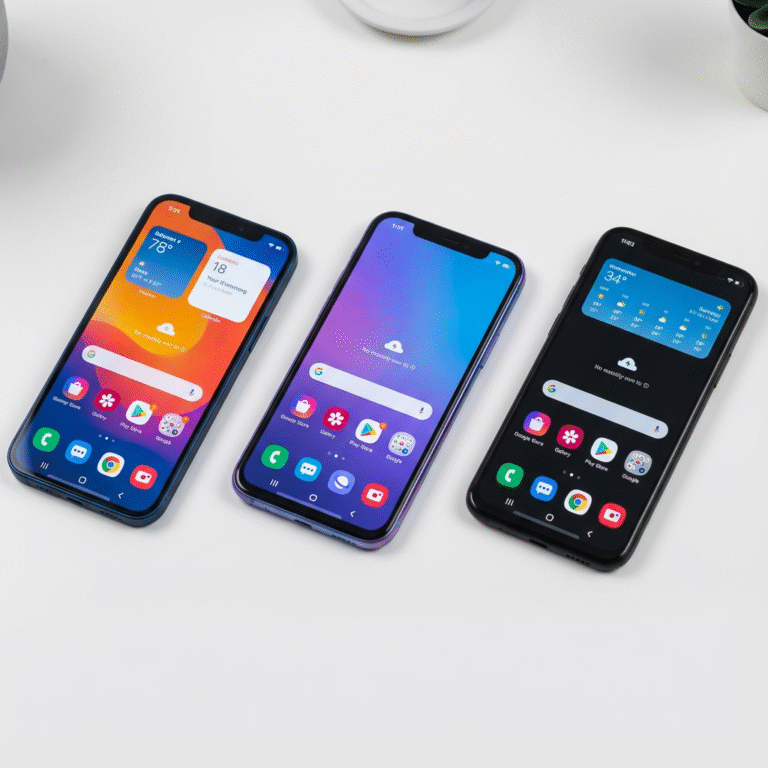
Choosing a smartphone in 2025 feels overwhelming. Walk into any electronics store, and you’ll face hundreds of options at wildly different price points. Today, we’re cutting through the noise by comparing three distinct players in the smartphone market: Itel (the budget champion), iPhone (the premium powerhouse), and Samsung (the versatile middle ground). Whether you’re penny-pinching or ready to splurge, this guide will help you make the right choice.
Understanding the Contenders
Before diving into specs and features, let’s establish what each brand represents in the smartphone ecosystem.
Itel has carved out a niche as the go-to brand for ultra-affordable smartphones. Popular in emerging markets and among budget-conscious consumers worldwide, Itel focuses on delivering essential smartphone functionality without the premium price tag. Think of them as the practical, no-frills option that gets the job done.
iPhone needs little introduction. Apple’s flagship product represents the premium end of the market, offering seamless integration across devices, industry-leading build quality, and an ecosystem that keeps users coming back. iPhones are status symbols as much as they are communication devices.
Samsung occupies the vast middle ground with options ranging from budget-friendly A-series phones to premium Galaxy S and Z foldable models. They’re the Android answer to iPhone, offering innovation, variety, and something for nearly every budget.
Price: The Great Divider
Let’s address the elephant in the room: cost.
Itel smartphones typically range from $50 to $150. Yes, you read that right. For the price of a nice dinner, you can own a functional smartphone with basic features like social media apps, calling, texting, and web browsing. Models like the Itel S23 and A70 offer surprisingly decent specs at these price points.
Samsung’s range is enormous. Budget A-series phones start around $150-$250, mid-range models like the Galaxy A54 hover around $400-$500, while flagship S24 Ultra devices can exceed $1,200. This diversity means Samsung has something for everyone, from students to executives.
iPhones start at around $430 for the iPhone SE, but most people opt for mainline models. The iPhone 15 starts at $799, while the iPhone 15 Pro Max can push past $1,200 with maximum storage. Apple’s pricing strategy is clear: premium products command premium prices.
Verdict: Itel wins on pure affordability, Samsung offers the most flexibility across price ranges, and iPhone requires the deepest wallet.
Performance and User Experience

Here’s where the price differences start making sense.
Itel phones run on entry-level processors, typically MediaTek or Unisoc chipsets with 2-4GB of RAM. They handle basic tasks well: social media scrolling, WhatsApp messaging, YouTube videos at lower resolutions. However, multitasking is limited, heavy gaming is off the table, and you’ll notice lag with demanding apps. The Android experience is functional but not smooth.
Samsung devices vary wildly. Budget models use Exynos or lower-end Snapdragon processors with 4-6GB RAM—adequate for most users. Mid-range phones pack serious punch with Snapdragon 7-series chips and 8GB RAM. Flagship Galaxy S24 models feature cutting-edge Snapdragon 8 Gen 3 processors with up to 12GB RAM, rivaling any phone on the market. Samsung’s One UI software is feature-rich and customizable.
iPhones leverage Apple’s custom silicon. Even the « budget » iPhone SE with the A15 Bionic chip outperforms many mid-range Android phones. The latest iPhone 15 Pro models use the A17 Pro chip, delivering desktop-class performance. iOS is optimized to perfection, making even older iPhones feel snappy. The integration between hardware and software is unmatched.
Verdict: iPhone leads in optimization and longevity, Samsung flagships match raw power, and Itel provides bare-minimum functionality.
Camera Quality: Instagram-Worthy or Just Okay?
Image Prompt 3: A creative photo collage showing the same sunset or cityscape scene captured by three different smartphone cameras – one clearly crisp and detailed, one decent quality, one noticeably lower quality – artistic composition highlighting photography differences
In the age of social media, camera quality often drives purchasing decisions.
Itel cameras feature basic setups: typically a 13MP or 16MP main sensor with additional depth or macro sensors that are more marketing than meaningful. Photos in good lighting are acceptable for social media posts, but low-light performance is poor, detail is lacking, and video quality maxes out at 1080p. If photography matters to you, Itel isn’t the answer.
Samsung cameras evolve with price. Budget phones offer 48-50MP main sensors that produce decent daylight photos. Mid-range devices add ultra-wide lenses and improved night modes. Flagship Galaxy S24 Ultra phones compete directly with iPhones, featuring 200MP main sensors, 10x optical zoom, exceptional night photography, and 8K video recording. Samsung’s camera software is feature-packed with numerous shooting modes.
iPhone cameras are legendary for good reason. Even the base iPhone 15 delivers consistently excellent photos thanks to computational photography magic. The 48MP main sensor, improved Portrait mode, and Cinematic video mode produce professional-looking results. The iPhone 15 Pro models add a 5x telephoto lens and advanced ProRAW capabilities. What really sets iPhones apart is consistency—every shot looks great with minimal effort.
Verdict: iPhone delivers the most reliable, consistent results across all conditions. Samsung flagships offer more versatility and features. Itel cameras are functional but forgettable.
Build Quality and Design

How a phone feels in your hand matters more than specs suggest.
Itel phones use plastic bodies that feel exactly as affordable as they are. They’re lightweight but lack premium feel. Screens are typically LCD rather than OLED, with lower resolutions and less vibrant colors. Durability is questionable—expect scratches and cracks more easily. However, their lightweight nature and replaceable batteries (on some models) offer practical advantages.
Samsung devices range from plastic mid-rangers to glass-and-metal flagships. The Galaxy S24 Ultra features Gorilla Glass Victus 2, aluminum frames, and an IP68 water resistance rating. Samsung’s AMOLED displays are industry-leading with brilliant colors, deep blacks, and high refresh rates (120Hz on premium models). Build quality rivals Apple at the top end.
iPhones set the standard for premium feel. Ceramic Shield front glass, surgical-grade stainless steel (or titanium on Pro models), and meticulous attention to detail make iPhones feel like luxury items. The Super Retina XDR OLED displays are stunning. Every element—from the satisfying button clicks to the balanced weight distribution—screams quality. iPhones also hold their value better than any Android phone.
Verdict: iPhone wins on premium feel and resale value, Samsung matches at flagship level, Itel is purely functional.
Ecosystem and Software Support
This often-overlooked factor can make or break your long-term satisfaction.
Itel devices run stock-ish Android with minimal software support. Expect one major Android update at best, and security patches are irregular. No ecosystem to speak of—your Itel won’t seamlessly connect with other devices. On the plus side, the light software footprint means less bloatware.
Samsung offers three generations of Android updates and five years of security patches for recent models—a massive improvement over past practices. One UI is feature-rich with Samsung DeX (desktop mode), extensive customization, and integration with Samsung tablets, watches, and earbuds. The ecosystem isn’t as tight as Apple’s, but it’s comprehensive.
Apple’s ecosystem is the gold standard. Your iPhone works flawlessly with iPad, Mac, Apple Watch, and AirPods. Features like AirDrop, Handoff, and iMessage create an interconnected experience that’s hard to leave. Apple provides 5-6 years of iOS updates, meaning your iPhone remains secure and feature-rich far longer than most Android phones.
Verdict: Apple’s ecosystem and software support are unbeatable. Samsung has improved dramatically. Itel offers minimal support.
Battery Life and Charging

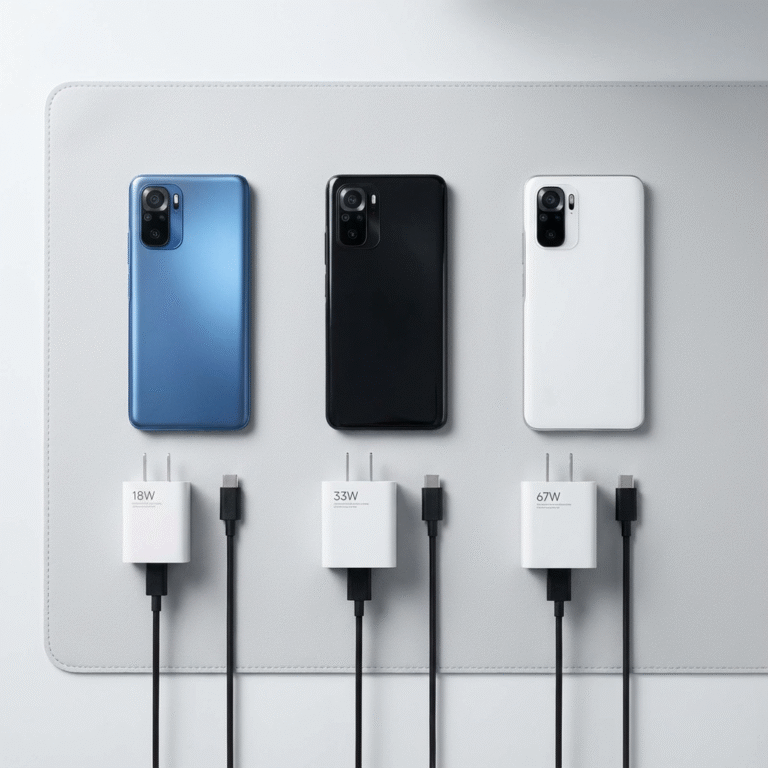
Itel phones often feature large 5000-6000mAh batteries that last 1-2 days with light use, thanks to low-power processors and displays. However, charging is slow (10W typical), meaning you’ll wait hours for a full charge. Some models still use micro-USB instead of USB-C.
Samsung devices typically include 5000mAh batteries with 25W-45W fast charging on premium models. Battery life is solid—expect a full day of heavy use. Samsung flagships support wireless charging and reverse wireless charging. The balance between battery size, performance, and charging speed is well-calibrated.
iPhones have smaller batteries (3000-4500mAh) but iOS optimization delivers all-day battery life comparable to larger Android batteries. Recent models support 20W-27W wired charging, 15W MagSafe wireless charging, and reverse wireless charging on Pro models. Battery health management is superior, helping your iPhone maintain capacity longer.
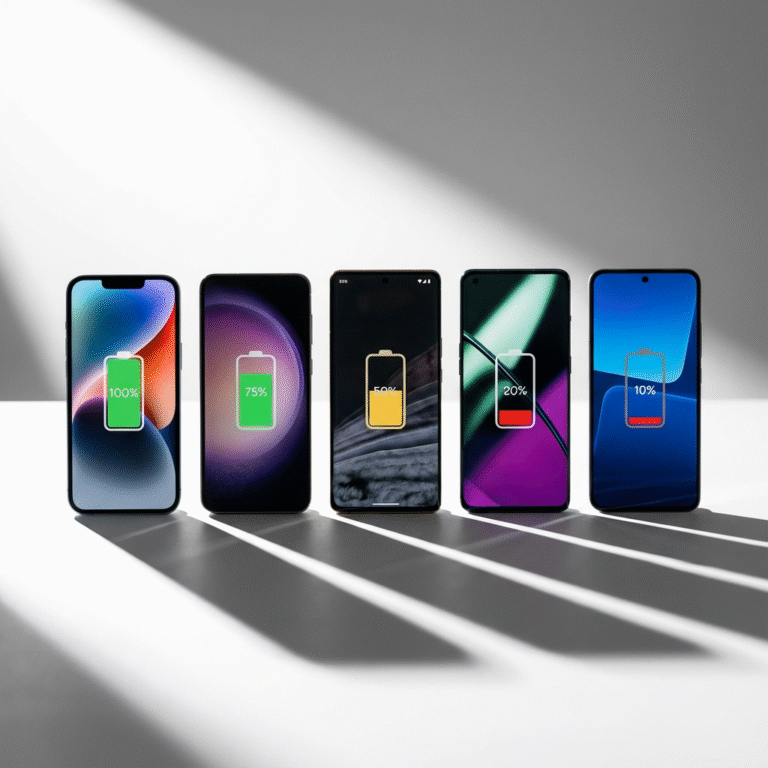
Verdict: Itel wins on raw battery size, Samsung offers the best fast-charging options, iPhone delivers efficient battery management and longevity.
Who Should Buy What?
Choose Itel if:
- Budget is your primary concern ($50-$150 range)
- You need a basic phone for calls, texts, and light social media
- You’re buying a phone for a child, elderly parent, or as a backup device
- You live in areas where phone theft is common and losing it wouldn’t be devastating
- You don’t care about cameras, gaming, or premium features
Choose Samsung if:
- You want Android flexibility and customization
- You desire choice across multiple price points
- You appreciate features like expandable storage, headphone jacks (on some models)
- You want a large, vibrant display
- You’re already invested in the Android ecosystem
- You want flagship performance without committing to Apple’s ecosystem
Choose iPhone if:
- You value seamless ecosystem integration across devices
- You want the longest software support and best resale value
- Camera quality and consistency matter to you
- You prefer simplicity and reliability over customization
- You’re already invested in Apple services (iCloud, Apple Music, etc.)
- You can afford the premium price and want a phone that feels premium
- Privacy and security are top priorities
The Bottom Line
There’s no universal « best » smartphone—only the best smartphone for your specific needs and budget.
Itel serves a crucial market segment, making smartphone technology accessible to everyone. It’s not about compromises; it’s about priorities. For millions worldwide, a reliable Itel phone is life-changing technology.
Samsung’s strength lies in its range. Whatever your budget or preference, there’s probably a Samsung phone that fits. From the affordable A-series to the groundbreaking Z Fold, Samsung covers more ground than any competitor.
iPhone remains the premium choice for those who can afford it. You’re not just buying a phone; you’re buying into an ecosystem, a support structure, and a device that will remain relevant for 5+ years.
Consider your budget first, then your priorities. Are you a photographer? Go iPhone or Samsung flagship. Student on a tight budget? Itel gets you connected without breaking the bank. Want the best Android experience? Samsung’s your answer.
The smartphone market’s diversity is its greatest strength. Whether you spend $80 or $1,200, you’re getting access to the sum of human knowledge in your pocket. That’s pretty remarkable, regardless of the logo on the back.
What’s your choice? Let us know in the comments which phone best fits your lifestyle and why!